

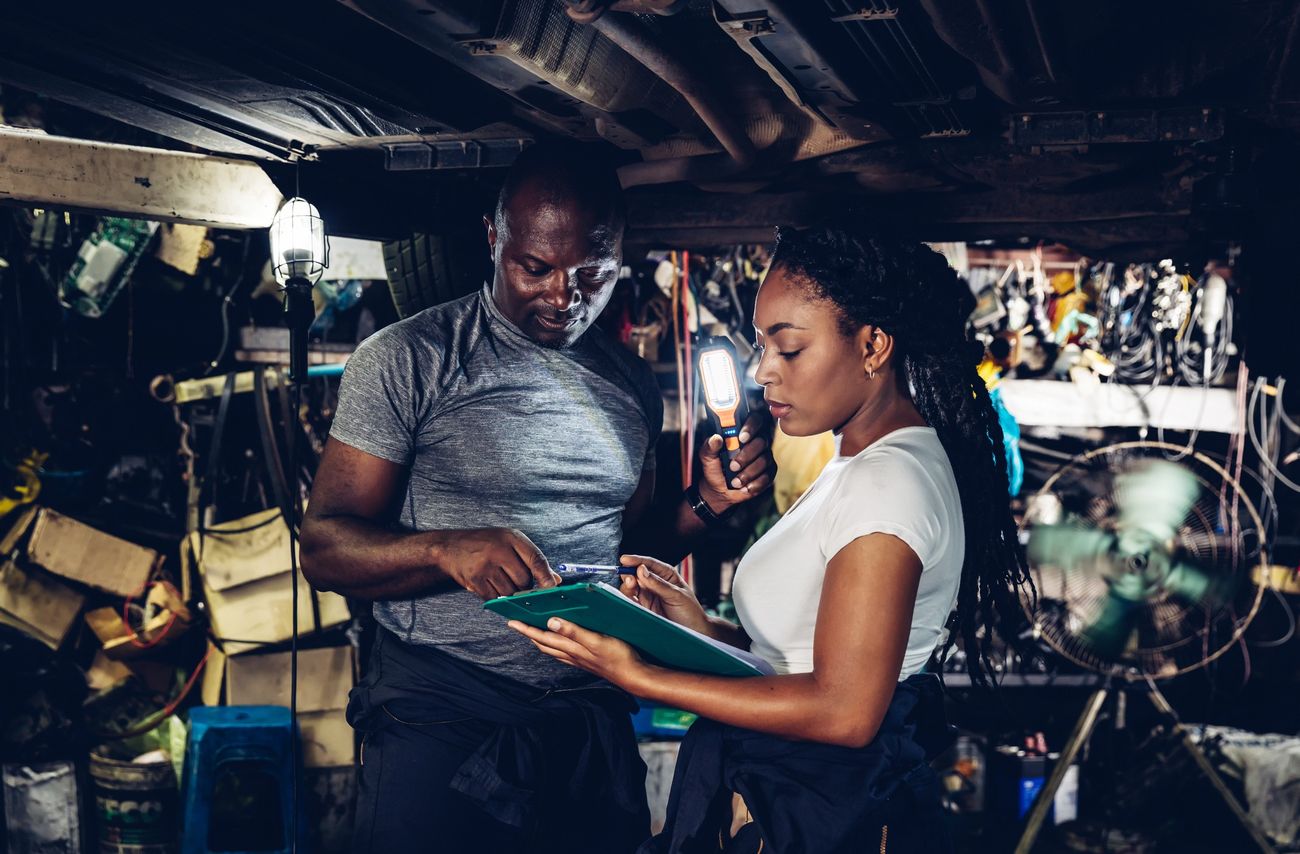
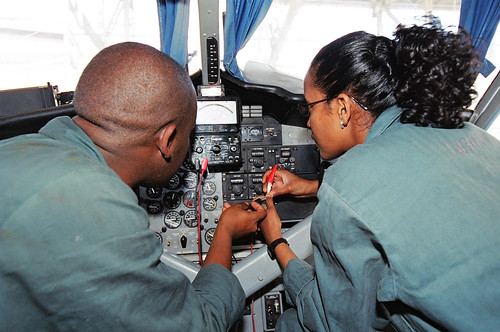
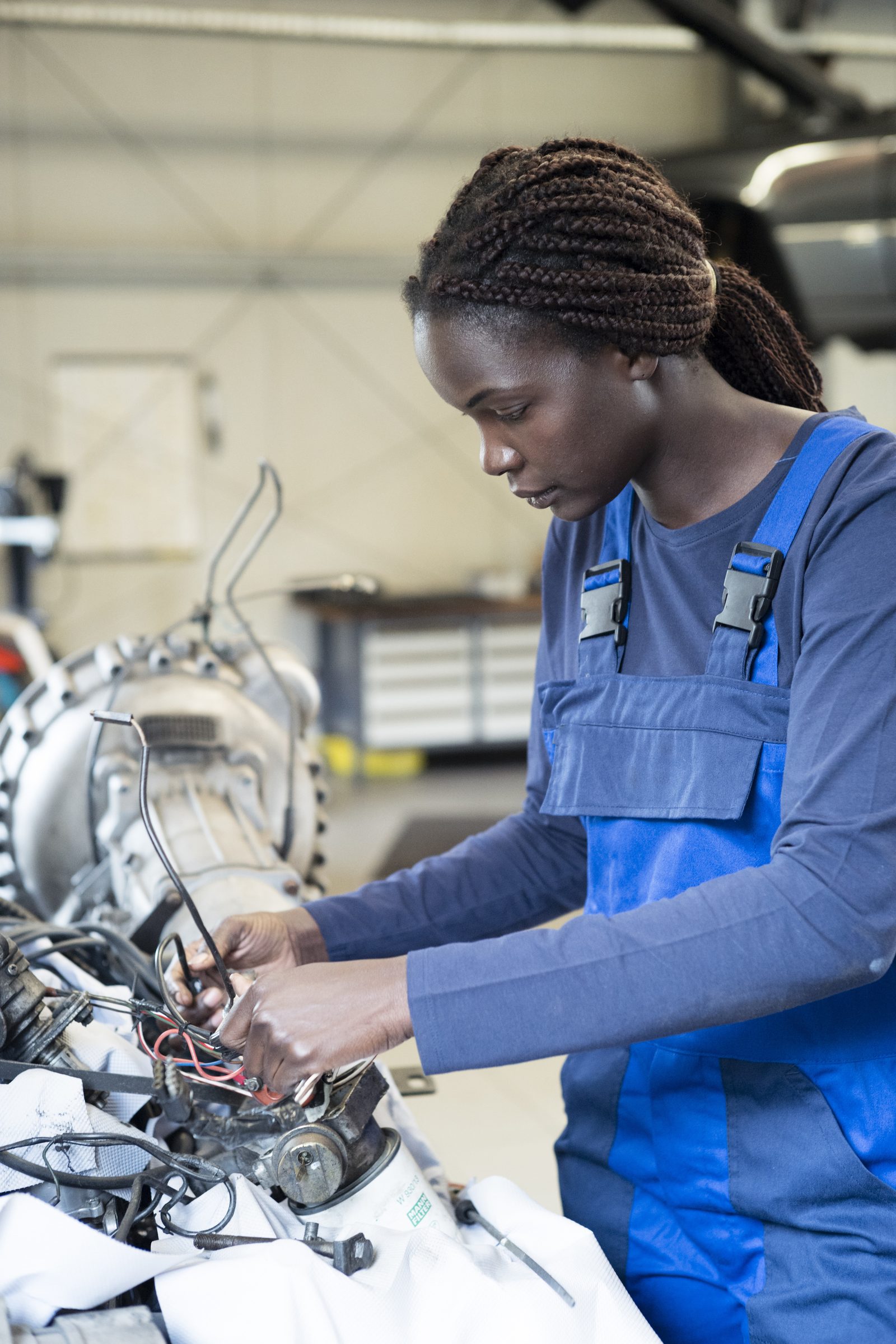
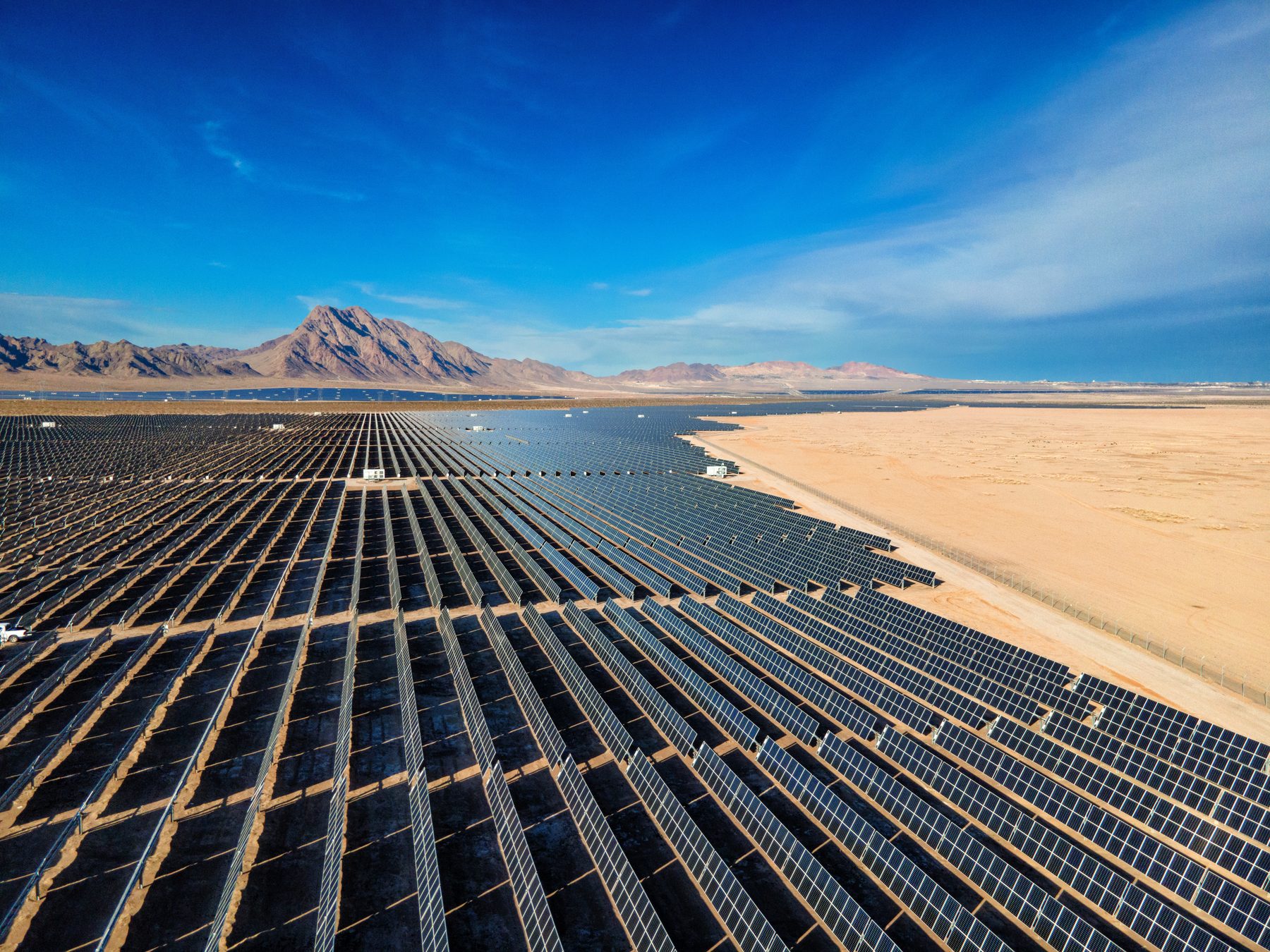
Across Africa, tens of millions of young people have the ability, the creativity, and the drive — but no pathway into the formal economy. Phoenix Resource Association builds that pathway, through a self-sustaining industrial model that turns end-of-life assets into skills, careers, and futures.
Africa is not short of talent. It is short of pathways. More than 60% of Africa's population is under 25 — creative, capable, and largely locked out of formal decent work. At the same time, billions of dollars of end-of-life industrial assets sit idle across the continent, with no infrastructure to recover their value. These are not two separate problems. They are the same problem — and a single self-sustaining model connects them.
"The capacity was always there. He needed almost nothing — a library, a book, some scrap metal — to do something remarkable."
In 2001, a thirteen-year-old boy in Malawi was forced out of school when his family could no longer pay the fees. During a devastating famine, he found his way to the village library, taught himself electrical engineering from a physics textbook, and built a wind turbine from scrap metal that pumped water to his family’s crops. He saved his village.
His name is William Kamkwamba. He went on to the African Leadership Academy — a partner of Phoenix Resource Association — and later to Dartmouth College. His story has been told in a book and a film.
But William’s story is not extraordinary because of what he did. It is extraordinary because of what it reveals: Africa is full of young people like William. They are not short of talent or creativity or drive. They are short of a pathway.
Three interconnected pillars that together form a complete circular economy institution — where youth are trained, hands get dirty, and Africa's hardest recycling challenges are being solved.
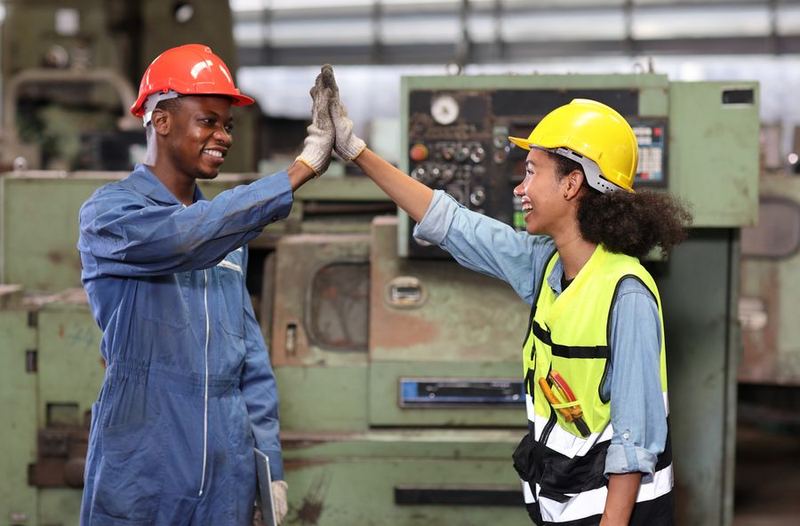
Youth develop a formal, decent, and safe work mindset alongside enterprise and entrepreneurship skills. This is the mindset foundation that every other pillar depends on — not just classroom theory, but deeply practical professional formation.
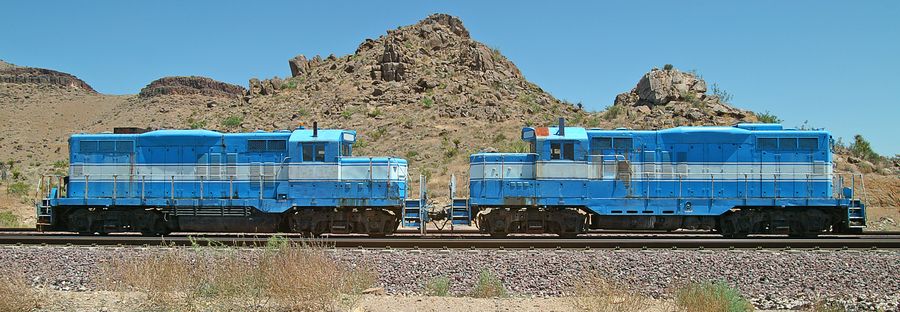
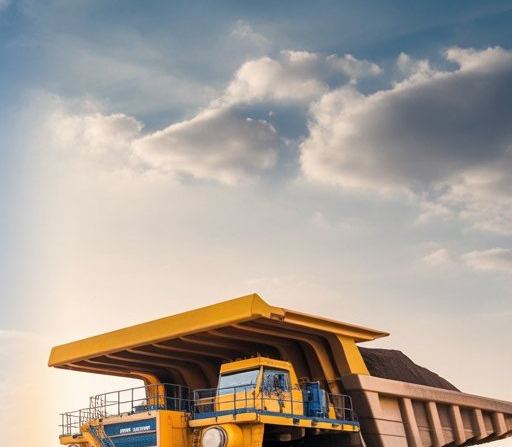
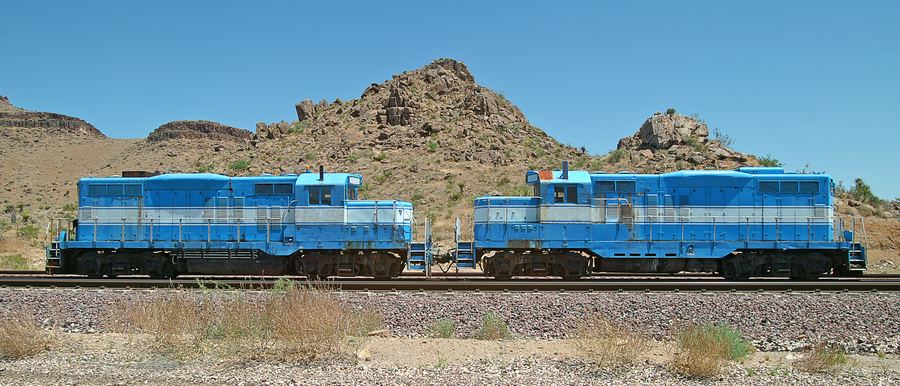
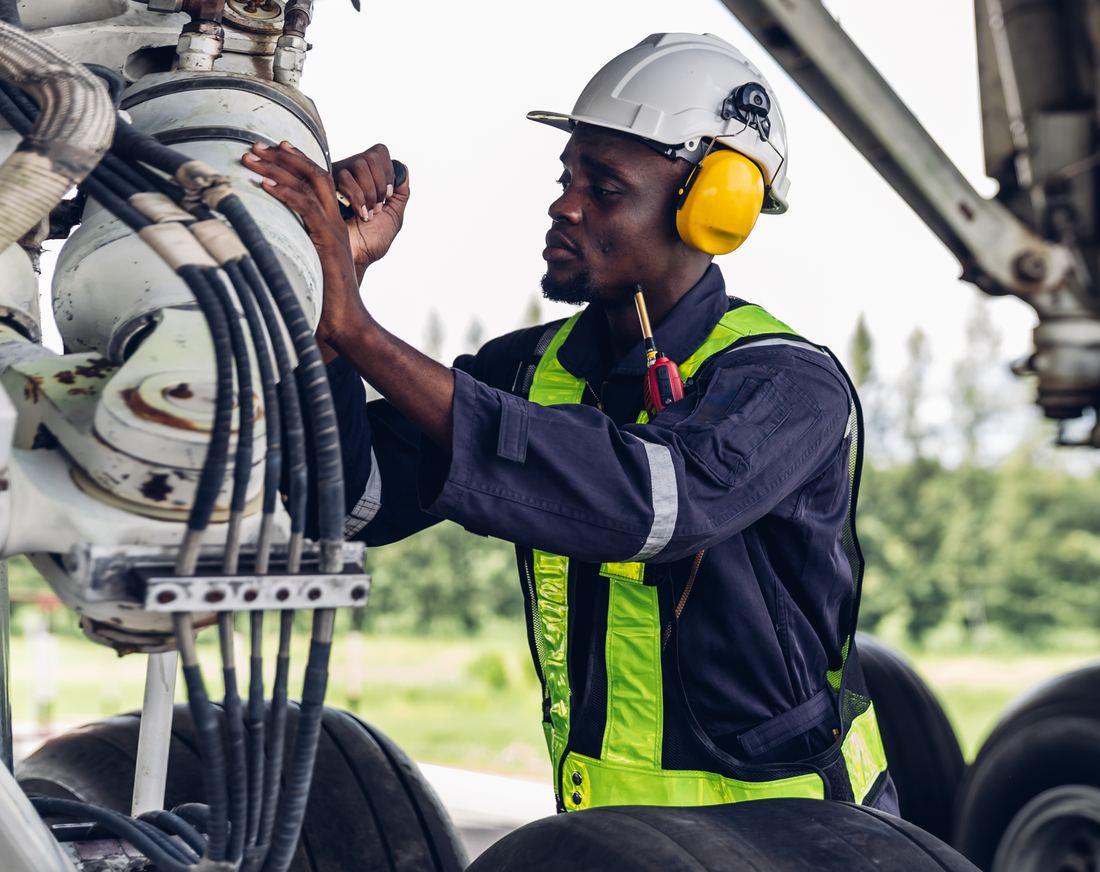
The Circular Economy Centre is where students work at industrial scale. End-of-life mining heavy equipment and aircraft are dismantled and recycled by Phoenix Resource Association students — turning Africa's waste streams into circular economy value and training into real practice.
Shared with regional universities, PICI develops cost-effective solutions to future material recycling challenges — including CFRP, GFRP, and advanced composites — at the very frontier of global circular economy science.
End-of-life assets and locked-out young people. Both written off. Both holding unrealised value. Phoenix Resource Association reclaims both — in the same place, at the same time.
The Academy. The Circular Economy Centre. The Innovation Centre. Three pillars. One self-sustaining pathway — built from Africa’s most abundant resources.
The asset finds purpose. The young person finds a pathway. Sustainable industry and social justice — proven to be the same thing.
A partnership with Phoenix Resource Association creates real, auditable value for your organisation while placing you at the centre of Africa's circular economy development. This is not philanthropy — it is strategic positioning at the frontier of the continent's most urgent structural challenge.
Phoenix Resource Association has designed four distinct partnership types — each with a clear value exchange and a defined role in building circular Africa.
At Phoenix Resource Association, we believe the foundations you build on determine everything that follows. From day one, we are aligning our operations, values, and strategy with the principles of the United Nations Global Compact — the world's leading framework for responsible and sustainable practice.
We are not yet at the two-year milestone required for formal UNGC accreditation. But we are not waiting. Every decision we make, every partnership we forge, and every programme we deliver is being shaped by the UNGC's principles across human rights, labour, environment, and anti-corruption. When accreditation comes, it will not mark a change in direction — it will simply confirm what has always been true.
"At Phoenix Resource Association, we believe the foundations you build on determine everything that follows.
From day one, we are aligning our operations, values, and strategy with the principles of the UN Global Compact — the world's leading framework for responsible and sustainable practice.
Every decision we make, every partnership we build, every programme we deliver is being shaped by the UNGC's principles across human rights, labour, environment, and anti-corruption.
When accreditation comes, it will not mark a change in direction. It will simply confirm what has always been true of Phoenix Resource.
This is our cornerstone. This is how we build."
Phoenix Resource Association's model is directly structured around seven UN Sustainable Development Goals — not as a reporting exercise, but as a design principle.
Whether you have aircraft to retire, a brand to align, a talent pipeline to build, or research to advance — there is a partnership here that creates value for your organisation and transforms Africa.